Bangkok Food and Dining Guide: Discover Thai Cuisine and the City’s Best Food Experiences

Bangkok is one of the world's great food cities, and discovering its culinary culture can be one of the most rewarding parts of visiting the Thai capital. From steaming bowls of noodles and sizzling dishes prepared in busy street-side kitchens to sophisticated restaurants, contemporary cafés, food hubs and rooftop experiences high above the city, Bangkok offers an extraordinary variety of ways to eat and explore.
For first-time visitors, however, that variety can also make choosing where and what to eat surprisingly difficult. Should you start with traditional Thai dishes, explore the city's famous street food, visit one of Bangkok's legendary food neighbourhoods or look for a restaurant where the food comes with an unforgettable view? The answer is that you do not have to choose just one.
A memorable Bangkok food experience can encompass all of these things. You might begin by discovering classic Thai flavours, explore the energy of a famous food street in the evening and then finish the day with dinner or drinks overlooking the Bangkok skyline. You can experience long-established local dishes alongside modern interpretations of Thai cuisine and international dining, often within the same day.
This diversity is what makes Bangkok such an exciting destination for food lovers. Whether you are visiting for the first time, returning to discover more of the city or simply looking for somewhere memorable to eat, there are almost limitless opportunities to experience Bangkok through its food.
Discover Thai Cuisine Beyond the Familiar Favourites
For many international visitors, Thai food begins with familiar dishes such as pad Thai, green curry, tom yum and mango sticky rice. These dishes are popular for good reason, but they represent only a small part of the country's culinary traditions.
Thai cuisine varies considerably from region to region, with different ingredients, cooking methods and flavour combinations creating an enormous range of dishes. Central Thai cuisine is often associated with the balance of sweet, sour, salty and spicy flavours that many visitors recognise, while northern, northeastern and southern cuisines each have their own distinctive characteristics.
Northeastern Thai cuisine, known as Isan, is particularly famous for bold and spicy flavours, with dishes such as som tam and grilled chicken offering a very different experience from the rich curries and aromatic dishes associated with central Thailand. Southern cuisine is known for its intense use of herbs and spices, while northern dishes reflect the culinary traditions of the region around Chiang Mai and beyond.
Bangkok brings many of these traditions together. As a huge and diverse capital city, it provides opportunities to sample regional Thai dishes alongside Thai-Chinese cuisine, international influences and contemporary interpretations created for a modern urban audience.
For visitors, this means there is no need to limit yourself to the dishes you already know. A good introduction to Thai cuisine might begin with pad kra pao or pad Thai before moving on to tom yum, som tam, Thai curries, noodle dishes, grilled meats and regional specialities. Desserts provide another dimension, from mango sticky rice and coconut-based sweets to ice cream, toast and contemporary interpretations of traditional flavours.
The most rewarding approach is often simply to be curious. Rather than searching for one definitive "best" Thai dish, use your time in Bangkok to discover the breadth of the cuisine and find the flavours that you enjoy most.
Experience Bangkok Through Its Street Food
Few experiences are more closely associated with Bangkok than street food. As the day progresses and temperatures begin to fall, streets across the city come alive with the sounds and aromas of cooking. Woks flare over high heat, grills smoke, noodles are prepared to order and vendors serve dishes that have often been perfected over many years.
Street food is much more than a convenient way to eat. It is part of Bangkok's everyday culture and one of the simplest ways for visitors to experience the energy of the city. The atmosphere, the variety of dishes and the opportunity to discover something completely unfamiliar are all part of the appeal.
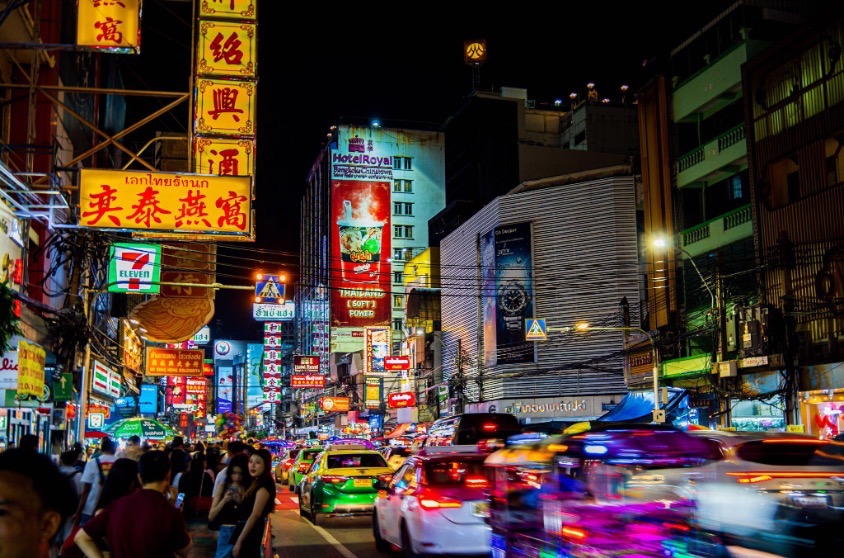
Yaowarat, Bangkok's Chinatown, is perhaps the city's most internationally recognised street-food destination. Its combination of Thai-Chinese food, seafood, noodles, snacks, desserts and busy evening atmosphere makes it an obvious choice for travellers who want to experience one of Bangkok's most famous food scenes.
Yet Yaowarat is only one part of the story. Other neighbourhoods have developed their own distinctive food cultures, and exploring beyond the most famous destinations can reveal a different side of Bangkok's culinary landscape.
Banthat Thong Road: A Modern Bangkok Food Destination
One of the most interesting places to experience Bangkok's contemporary food culture is Banthat Thong Road, close to Chulalongkorn University and the National Stadium area.
The road has become known for its dense concentration of restaurants, street-food-style eateries, cafés, dessert shops and newer food concepts. Its atmosphere is particularly lively in the evening, when students, local residents, office workers and visitors fill the area in search of dinner and late-night treats.
What makes Banthat Thong interesting is the combination of old and new. Long-established Thai and Thai-Chinese dishes sit alongside newer restaurants and social-media-famous food concepts, while desserts and cafés have become an important part of the experience. It is therefore less a traditional street market than a modern Bangkok food street where visitors can spend an entire evening moving from one food experience to another.
Its location also makes it relatively easy to combine with sightseeing in central Bangkok. The area is close to Siam and the National Stadium and can be reached using Bangkok's public transport network, making it a practical option for visitors who want to explore the city's food scene without travelling across town.
Banthat Thong also demonstrates how Bangkok's food culture continues to evolve. Traditional flavours remain at the centre of the experience, but they are increasingly being presented in new ways and alongside contemporary dining concepts.
For travellers interested in seeing how Bangkok eats today, it is well worth adding to the list.
Markets, Local Restaurants and Everyday Bangkok Dining
Although famous food destinations can be exciting, some of the most enjoyable meals in Bangkok happen away from the places that appear on every tourist list.
Local restaurants, food courts, markets, cafés and small family-run businesses are all part of the city's everyday dining culture. A simple bowl of noodles, rice served with a stir-fried dish or grilled meat accompanied by sticky rice can be just as memorable as a meal in a sophisticated restaurant.
Food courts can be particularly useful for visitors who want to sample several Thai dishes in a comfortable setting. They offer variety without requiring everyone in a group to order from the same menu, while markets provide a more energetic experience where prepared food, fresh fruit, snacks, desserts and drinks can often be found alongside the activity of everyday Bangkok life.
This is one of the reasons it is difficult to define a single "Bangkok food experience". The city's culinary identity exists across many different settings, from pavement stalls and traditional shophouses to modern food halls and restaurants.
Rather than choosing between street food and restaurants, visitors can experience both. The contrast is part of what makes eating in Bangkok so interesting.
Thai Taste Hub: A Convenient Introduction to Thai Street Food
For visitors who want to explore a wide range of Thai flavours without travelling between several different parts of Bangkok, Thai Taste Hub at Mahanakhon CUBE offers a particularly convenient option.
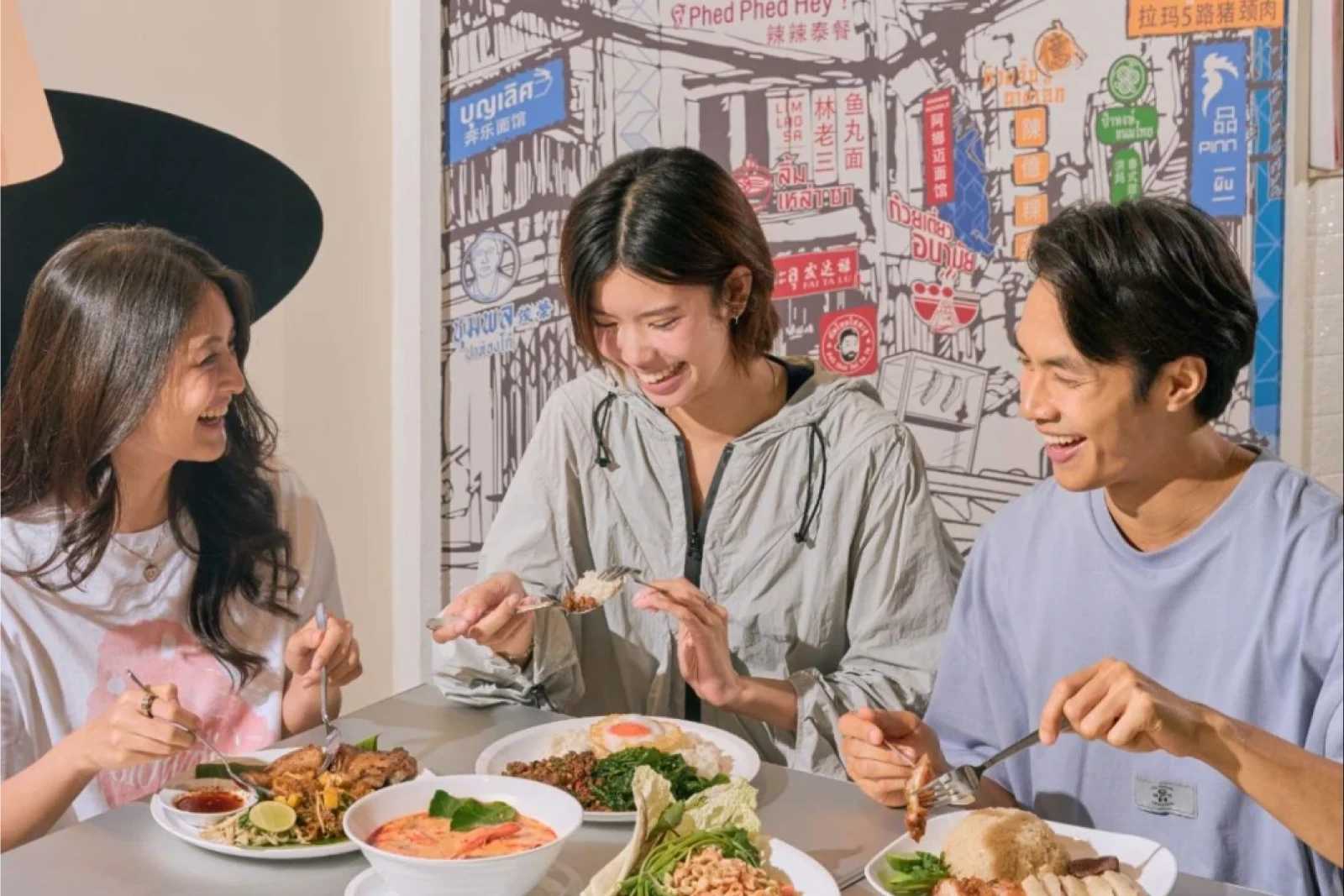
Located on the first floor of Mahanakhon CUBE, Thai Taste Hub brings together a collection of established Thai street food names and regional specialities in a comfortable contemporary environment. The destination is designed around the idea of bringing well-known local food experiences together, with a number of the participating vendors recognised or recommended by Michelin.
The selection allows visitors to explore different sides of Thai street food in one location. Phed Phed Hey!, for example, focuses on the bold flavours of Isan cuisine, while Nai Ek Roll Noodle brings the famous noodle tradition associated with Yaowarat to Mahanakhon CUBE. Other concepts offer different Thai specialities and regional flavours, creating the opportunity to sample several dishes during one visit.
That makes Thai Taste Hub particularly useful for first-time visitors who may not know where to begin. Instead of having to identify individual restaurants across Bangkok, travellers can explore a selection of familiar and less familiar Thai dishes in one place.
It also provides a useful bridge between Bangkok's famous street-food culture and a more comfortable dining environment. The experience is still rooted in Thai food traditions, but visitors can enjoy it in a setting that is convenient for families, couples, groups and travellers who want to explore the cuisine at their own pace.
For anyone searching for authentic Thai food experiences in Bangkok, Thai Taste Hub therefore offers a different proposition from simply visiting a conventional food court or restaurant.
Mahanakhon Eatery: Bangkok Dining Beyond Thai Cuisine
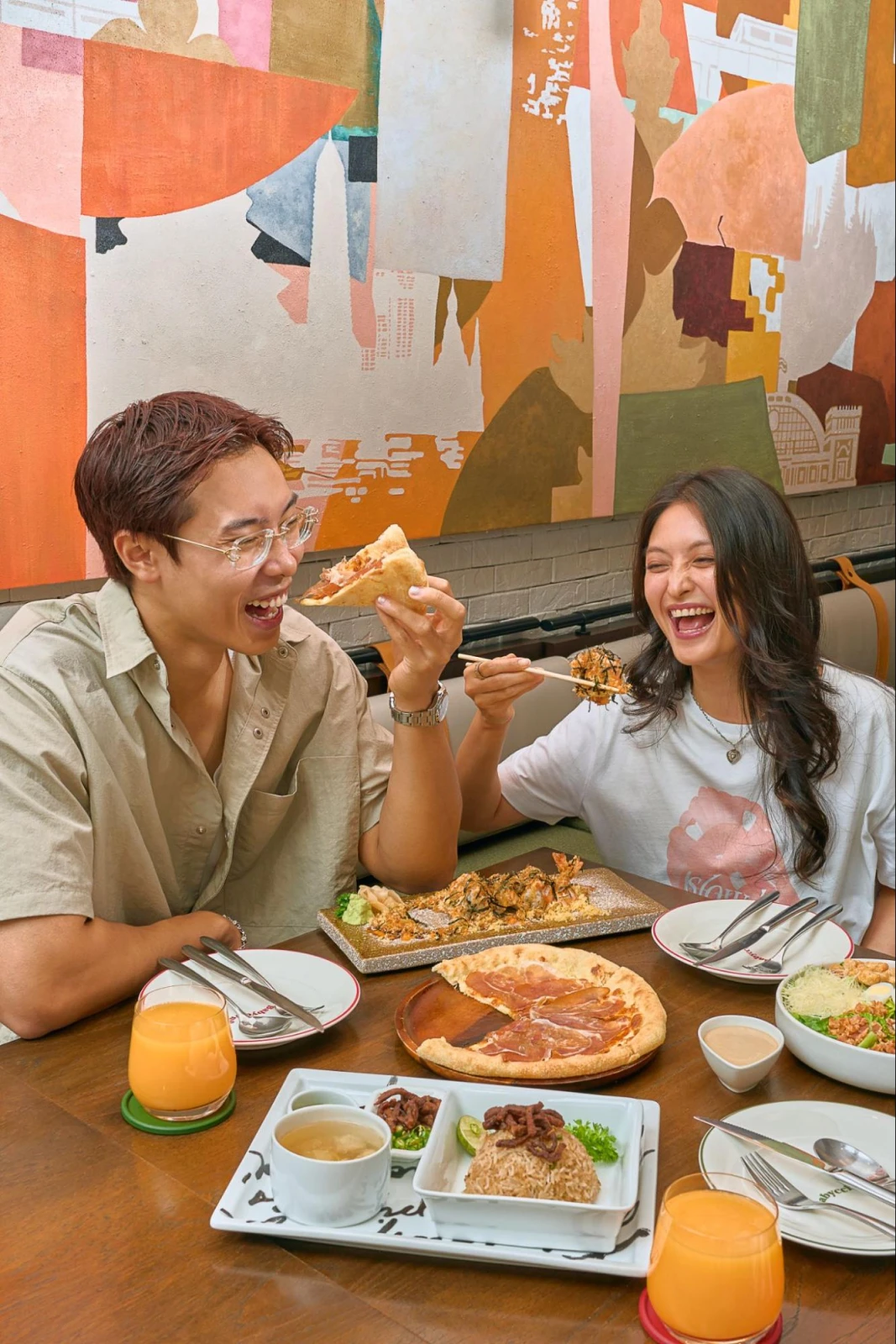
Bangkok's food culture extends well beyond Thai cuisine, and Mahanakhon Eatery reflects that wider dining landscape.
Located on the ground floor of Mahanakhon CUBE, Mahanakhon Eatery brings together restaurants, cafés, dessert concepts and grab-and-go options in one modern cross-kitchen dining environment. Its selection combines local and international flavours, with choices ranging from Thai-inspired and Asian dishes to Japanese food, coffee, desserts and other contemporary dining options.
The variety makes Mahanakhon Eatery particularly useful when travelling with other people. Not everyone necessarily wants the same food, and having different concepts in one location makes it possible for each person to choose according to their own preferences.
The selection also reflects the way people eat in modern Bangkok. Food is increasingly part of a broader lifestyle experience that can include coffee, brunch, casual dining, desserts and socialising rather than simply a traditional three-course meal.
This makes Mahanakhon Eatery a natural complement to Thai Taste Hub. Thai Taste Hub focuses on the depth and variety of Thai street food, while Mahanakhon Eatery provides a broader selection of local and international dining experiences.
Together, they allow visitors to experience two very different sides of Bangkok's food culture without leaving the Mahanakhon CUBE.
Sky Beach: An Elevated Bangkok Food and Lifestyle Experience
For many visitors, the setting can be almost as important as the food itself.
Bangkok is famous for its rooftop restaurants and bars, where dining and drinks can be combined with panoramic views of the city. The experience becomes particularly atmospheric around sunset, when the skyline changes from bright afternoon light to the illuminated city after dark.
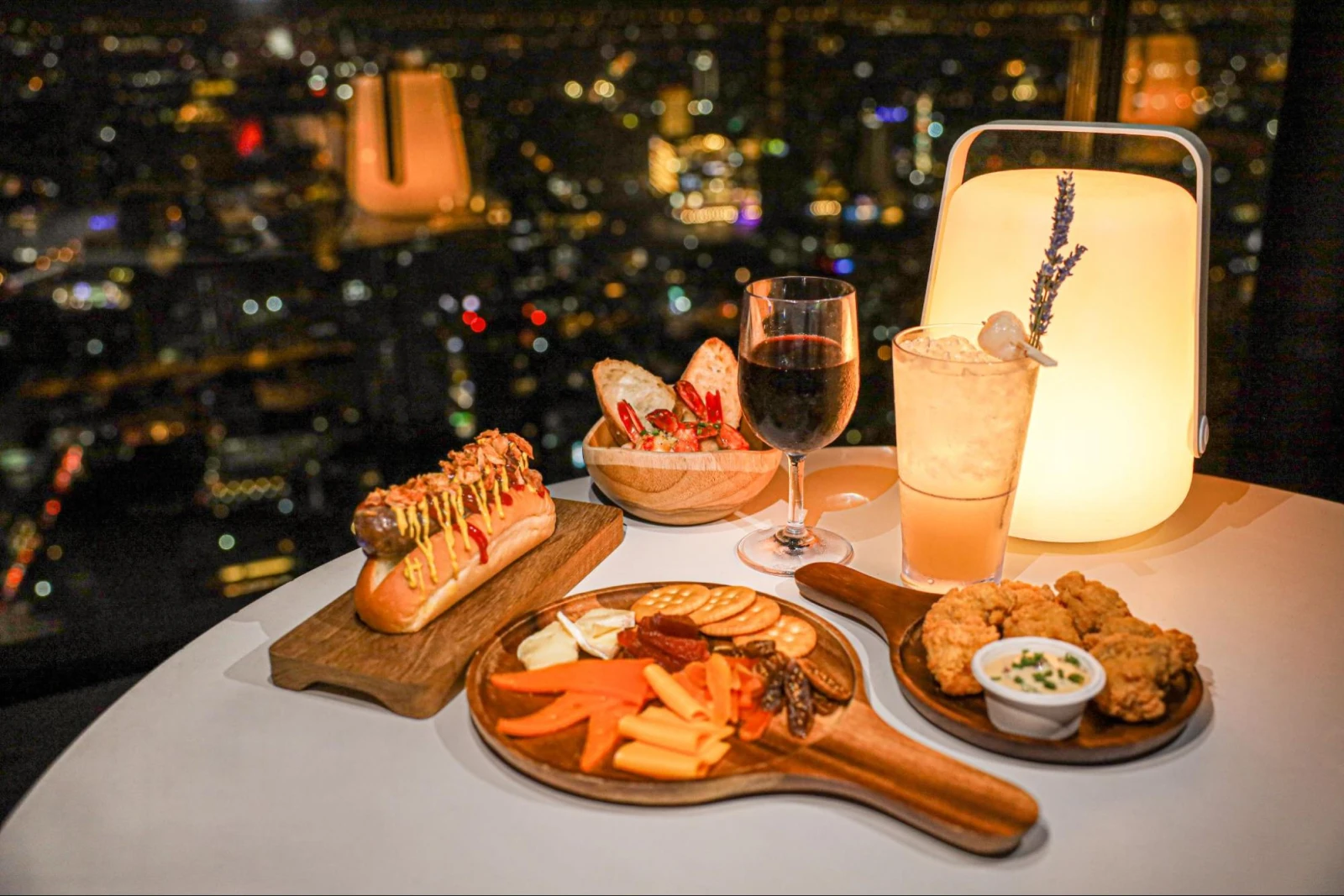
At King Power Mahanakhon, Sky Beach adds this elevated dimension to the destination's wider food and lifestyle offering. Located high above the city, Bangkok’s highest rooftop bar combines drinks and food with 360-degree city views and the atmosphere of a rooftop destination.
The appeal is therefore different from a street-food experience or a conventional restaurant. Here, the setting becomes part of the occasion.
Visitors might choose to enjoy a drink while watching the sunset, meet friends for an evening above the city or combine the rooftop experience with a wider visit to King Power Mahanakhon. For couples and visitors celebrating a special occasion, the combination of skyline, atmosphere and food or drinks can also provide a more memorable evening.
It is another example of the variety that defines Bangkok dining. A city famous for humble street food can also offer sophisticated experiences hundreds of metres above the streets.
Bangkok Dining with a View
There is something particularly memorable about enjoying food while looking across Bangkok's skyline.
The city has developed a strong rooftop dining culture, with restaurants and bars offering different combinations of cuisine, atmosphere and views. Some are designed around sophisticated dining, others around drinks and socialising, while some place almost as much emphasis on the setting as on the menu.
For visitors, the best choice depends on the experience they are looking for.
A traveller who has spent the day exploring temples and neighbourhoods may want somewhere relaxed to sit down and enjoy a drink. A couple may prefer a sunset setting for dinner. A group of friends might be looking for an energetic evening venue. Someone celebrating a special occasion may want the combination of food, atmosphere and a spectacular view.
King Power Mahanakhon fits naturally into this part of Bangkok's dining scene because food, drinks and elevated city views can be experienced as part of the same visit.
That is particularly useful for travellers who want to make more of their time in Bangkok. Instead of treating sightseeing and dining as separate activities, they can become part of one connected experience.
From Street Food to Contemporary Dining
One of the most fascinating aspects of Bangkok's food culture is the way traditional and contemporary dining exist alongside each other.
A visitor can eat noodles from a long-established street-food specialist one day and discover a modern interpretation of Thai cuisine the next. Traditional recipes continue to be prepared in family-run restaurants and food stalls, while new restaurants experiment with presentation, ingredients, international influences and different styles of service.
This does not mean Bangkok has moved away from its culinary traditions. Quite the opposite. Thai cuisine remains the foundation of the city's food culture, while its modern dining scene continues to reinterpret and build on those traditions.
For travellers, this means there is no need to decide between traditional Thai food and contemporary dining. Both can form part of the same Bangkok experience.
The contrast can actually make a food-focused trip more interesting. A meal in Yaowarat can provide a very different atmosphere from an evening at Banthat Thong, just as Thai street food at Thai Taste Hub provides a different experience from the wider dining selection at Mahanakhon Eatery or the elevated setting of Sky Beach.
Each tells a different part of Bangkok's food story.
What Thai Dishes Should You Try in Bangkok?
For first-time visitors, deciding what to order can sometimes be almost as challenging as deciding where to eat.
Pad Thai is an obvious starting point, but it is worth looking beyond the dishes that are already familiar internationally. Tom yum provides the distinctive combination of sour, spicy and aromatic flavours associated with Thai cooking, while pad kra pao offers a simpler but intensely satisfying combination of stir-fried meat, chilli and Thai basil, usually served with rice and often topped with a fried egg.
Som tam introduces the fresh, spicy flavours of northeastern Thailand, while Thai curries demonstrate the richness and complexity that can be achieved through herbs, spices, coconut milk and carefully balanced seasoning. Noodle soups, boat noodles, grilled meats, fried chicken and regional specialities provide even more opportunities to explore.
Desserts should not be overlooked. Mango sticky rice is internationally famous, but Bangkok offers many other sweet experiences, including coconut-based desserts, Thai-style toast, ice cream and contemporary creations that combine traditional ingredients with modern techniques.
If you are travelling with friends or family, sharing several dishes is one of the easiest ways to experience more. Rather than choosing one large main course each, order a selection and try different flavours together.
And if you are unsure about spice levels, ask before ordering. Thai food can be extremely spicy, but there are also countless dishes that are mild, aromatic or naturally sweet and savoury.
Most importantly, do not be afraid to order something you do not recognise. Some of the best food discoveries in Bangkok are the dishes you did not arrive intending to try.
How to Choose the Right Bangkok Food Experience
With so much choice, the best way to plan your food experiences in Bangkok is to think about what you want from the occasion rather than simply searching for the highest-rated restaurant.
If you want atmosphere and spontaneity, explore a street-food destination such as Yaowarat or Banthat Thong Road. If you want to sample different Thai dishes without travelling between several neighbourhoods, Thai Taste Hub provides a convenient introduction to a broad selection of local flavours. If you want a wider choice of cuisines and dining styles, Mahanakhon Eatery offers a more varied environment.
If the setting matters as much as the food, consider a rooftop experience. Bangkok's skyline provides a spectacular backdrop for an evening meal or drinks, particularly around sunset, and Sky Beach offers this elevated experience at King Power Mahanakhon.
The most rewarding food-focused visit does not have to follow one particular formula. You can combine inexpensive street food with a more sophisticated restaurant, explore a famous food street and then finish the evening somewhere above the city.
That variety is precisely what makes Bangkok such an exciting food destination.
Food Experiences for Different Travellers
Bangkok's food scene works particularly well because it can adapt to different types of travellers.
First-time visitors may want to start with recognisable Thai dishes before becoming more adventurous. Combining familiar favourites with regional specialities provides a good introduction to the cuisine without becoming overwhelming.
Experienced food lovers can go deeper, seeking particular regional dishes, famous food streets and long-established restaurants. They may enjoy exploring different neighbourhoods specifically for their culinary identity rather than simply eating near major attractions.
Couples may prefer experiences where the atmosphere is as important as the menu. A sunset meal, rooftop drink or evening combining food and Bangkok's skyline can turn dinner into one of the highlights of a trip.
Families often benefit from destinations offering variety and convenience. Food hubs and dining destinations where different members of the group can choose different dishes make meals easier and more enjoyable.
Groups of friends can take advantage of Bangkok's shared-dining culture, ordering several dishes and turning an evening meal into a progressive food experience.
For solo travellers, Bangkok is equally accessible. Street food, cafés, food courts and casual restaurants make it easy to eat well without needing to plan an elaborate dining experience.
The city does not require visitors to follow a particular style of eating. That flexibility is part of its appeal.
Making Food Part of Your Bangkok Experience
Food does not need to be something you fit around sightseeing. It can help shape the way you experience Bangkok.
You might spend part of the day exploring one of the city's historic or cultural areas, stop for a local Thai lunch and then continue towards central Bangkok in the afternoon. As evening approaches, you could explore a food street such as Banthat Thong Road, discover more Thai flavours at Thai Taste Hub or choose a restaurant where the skyline becomes part of the experience.
For visitors exploring the Sathorn and central Bangkok area, King Power Mahanakhon provides an especially convenient way to combine different types of food and dining. Thai Taste Hub at Mahanakhon CUBE offers a selection of Thai street-food experiences, while Mahanakhon Eatery provides a wider mix of local and international food. Sky Beach then adds an elevated option for those who want to continue their evening above the city.
This makes it possible to build a food-focused experience around different moods and occasions without needing to travel across Bangkok for every meal.
The same principle applies throughout the city. Bangkok's neighbourhoods each offer their own character, and food can be a reason to explore them.
Yaowarat can introduce visitors to Bangkok's famous Chinatown food culture. Banthat Thong provides a lively look at the city's newer food scene. Local markets and neighbourhood restaurants reveal everyday dining traditions, while contemporary restaurants and rooftop venues demonstrate how Bangkok continues to reinvent itself.
Food therefore becomes more than something you consume. It becomes a way of understanding the city.
Why Food Should Be Part of Your Bangkok Visit
Food offers a particularly direct connection with Bangkok's culture.
It reveals regional traditions, local ingredients, family recipes and the changing ways people live and socialise. It also demonstrates how a city can preserve culinary traditions while continuing to create new dining experiences.
That is why eating in Bangkok should not simply be treated as something to do between attractions. It can be one of the main reasons to explore.
A bowl of noodles in Chinatown, a spicy Thai dish on a busy food street, a selection of regional specialities at Thai Taste Hub, coffee and a meal at Mahanakhon Eatery or an evening drink high above the skyline at Sky Beach can each create a completely different memory of the city. Together, these experiences demonstrate the extraordinary range of Bangkok's food culture.
The city is traditional and contemporary, local and international, casual and sophisticated. Its food scene reflects all of those contrasts, and that is precisely what makes it so rewarding to explore.
Frequently Asked Questions About Food and Dining in Bangkok
What Food Is Bangkok Famous For?
Bangkok is famous for a huge range of Thai dishes and food experiences, including pad Thai, tom yum, pad kra pao, som tam, Thai curries, noodles, grilled meats and mango sticky rice. The city is also renowned for its street food, regional Thai cuisine and diverse restaurant scene.
Where Is the Best Place to Experience Street Food in Bangkok?
There is no single best location. Yaowarat is one of Bangkok's most famous food destinations, particularly in the evening, while Banthat Thong Road offers a more contemporary food-street experience near the National Stadium and Chulalongkorn University. Different areas provide different food and atmospheres.
Is Banthat Thong Road Worth Visiting for Food?
Yes. Banthat Thong Road has developed into one of Bangkok's best-known modern food streets, combining restaurants, Thai and Thai-Chinese dishes, street-food-style dining, cafés and dessert shops. Its lively evening atmosphere makes it particularly appealing to visitors looking for a contemporary Bangkok food experience.
Where Can I Try Different Thai Street Foods in One Place?
Thai Taste Hub at Mahanakhon CUBE brings together a selection of established Thai food concepts and regional specialities in one location. It is particularly convenient for visitors who want to sample different Thai flavours without travelling between several parts of Bangkok.
What Is Thai Taste Hub at Mahanakhon CUBE?
Thai Taste Hub is a Thai street-food destination on the first floor of Mahanakhon CUBE. It brings together well-known local food concepts and regional specialities in a comfortable, contemporary setting, with a number of participating vendors recognised or recommended by Michelin.
What Can You Eat at Mahanakhon Eatery?
Mahanakhon Eatery is a unique cross-kitchen experience which offers a mixture of local and international dining, including restaurants, cafés, desserts and grab-and-go options. The current selection includes concepts such as Babyccino, Beans Coffee Roaster, Getfresh, Greyhound Selected and Hoshi, among others.
Where Can I Enjoy Food and Drinks with a View of Bangkok?
Bangkok has numerous rooftop and elevated dining venues. King Power Mahanakhon is particularly suited to visitors who want to combine the city's skyline with food and drinks, including the elevated experience offered at Sky Beach.
What Should First-Time Visitors Eat in Bangkok?
A good starting point is to try a mixture of dishes rather than concentrating on one favourite. Pad Thai, tom yum, pad kra pao, som tam, Thai curry, noodles and mango sticky rice provide a useful introduction, while regional dishes and less familiar specialities can help you discover more of Thai cuisine.
Is Bangkok Suitable for People Who Do Not Eat Very Spicy Food?
Absolutely. Although some Thai dishes can be very spicy, Bangkok offers a huge variety of food that is mild or can be prepared with less chilli. Visitors can also ask about the spice level before ordering.
What Is the Best Way to Experience Thai Food in Bangkok?
The best approach is to combine different types of dining. Try street food, local restaurants, regional Thai dishes, food hubs and contemporary dining rather than relying on one type of restaurant. This gives you a much better sense of the variety of Bangkok's culinary culture.
Can I Experience Thai Food and Bangkok's Skyline on the Same Day?
Yes. Bangkok makes it easy to combine food with sightseeing and views. At King Power Mahanakhon, visitors can combine Thai food at Thai Taste Hub, broader dining choices at Mahanakhon Eatery and the elevated atmosphere of Sky Beach as part of a wider visit.
Experience Bangkok Through Its Food
The best Bangkok food experience is not necessarily one particular restaurant, dish or neighbourhood. It is the opportunity to move between different sides of the city's culinary culture and discover how each one reveals something different about Bangkok.
You might begin with a familiar Thai dish before becoming more adventurous, explore the energy of Yaowarat or Banthat Thong Road, discover regional flavours at Thai Taste Hub or enjoy the broader selection at Mahanakhon Eatery. Later, you might choose to finish the day with drinks and a spectacular view from Sky Beach.
That variety is what makes eating in Bangkok so memorable.
The city offers traditional street food and contemporary restaurants, family-run eateries and sophisticated dining, local Thai flavours and international influences. There are experiences for food lovers who plan every meal and for travellers who simply follow their appetite and see where it leads.
So when planning your next visit, do not just ask where should I eat in Bangkok?
Ask how do I want to experience Bangkok through food?
Whether you are discovering Thai cuisine for the first time, searching for the city's most exciting street food, looking for a memorable evening or simply curious about what lies beyond the familiar dishes, Bangkok gives you countless ways to explore.
And sometimes the best way to understand a city is simply to sit down, order something new and enjoy the experience.